Your Guide to Home Solar in Canada (2026)
A Complete Guide to Solar Energy
See Solar Prices Near You
Enter your postal code to see what solar panel installations cost in your local area.
Solar panels in Canada are becoming an increasingly practical investment for homeowners. With falling installation costs, active provincial rebates, and net metering programs in every province, more Canadians are making the switch to solar energy than ever before. This guide covers everything you need to know about home solar in Canada — from how solar panels work to what they cost, available incentives, and how to choose the right installer.
How Solar Panels Work
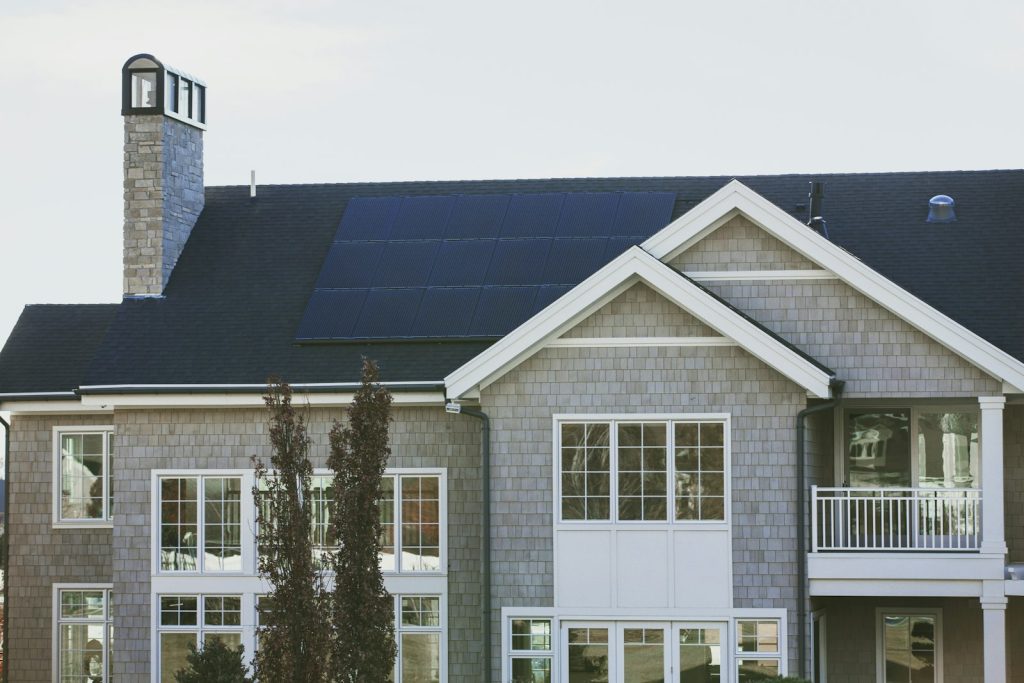
Solar energy harnesses sunlight to generate electricity, offering a renewable and sustainable alternative to traditional fossil fuels. In Canada, solar photovoltaic (PV) systems are the most common, converting sunlight directly into electricity. The country’s vast geography provides substantial solar resources, particularly in provinces like Alberta, Saskatchewan, Manitoba, and Ontario.
A home solar system has a few core components working together:
- Solar panels (modules): Rows of photovoltaic cells mounted on your roof capture sunlight and convert it into direct current (DC) electricity.
- Inverter: Converts the DC electricity from your panels into alternating current (AC) — the type of power your home’s outlets and appliances actually use.
- Utility meter: A bi-directional meter tracks how much electricity your system generates versus how much your home draws from the grid.
- Net metering or net billing: When your panels produce more power than your home is using, the surplus is exported to the grid and credited back to you, offsetting what you draw at other times.
- Battery (optional): Stores excess power for use at night or during an outage instead of exporting it to the grid.
Most Canadian homes use a grid-tied system, meaning it stays connected to the utility grid and relies on net metering to balance production and consumption. An off-grid system, by contrast, relies entirely on batteries and isn’t connected to the utility at all — a much more expensive setup that’s typically reserved for remote properties.
Benefits of Solar Energy
Cost Savings: Installing solar panels significantly reduces electricity bills — typically 40–80% annually. With provincial rebates and net metering, most Canadian homeowners recover their investment in 8–12 years.
Environmental Impact: Solar power is a clean energy source that reduces greenhouse gas emissions, contributing to Canada’s goal of achieving net-zero emissions by 2050.
Energy Independence: Generating your own electricity provides protection against rising energy costs and enhances energy security.
Property Value: Studies show solar panels increase residential property values by an average of 3–4% in Canada.
Backup & Energy Storage: Pairing your system with a home battery lets you store excess solar power for use at night or during an outage. See our home battery storage guide to see if it makes sense for you.
Solar Incentives and Rebates in Canada
The federal Canada Greener Homes programs are now closed, but active provincial programs continue to make solar more affordable across Canada. Here’s an overview of current support:
❌ Canada Greener Homes Grant — Closed Feb 2024
This federal grant offered up to $5,000 for solar PV installations but closed in February 2024 and is no longer accepting applications. Any existing approved applications continue to be processed.
❌ Canada Greener Homes Loan — Closed Oct 2025
This federal interest-free loan program (up to $40,000) closed on October 1, 2025 and is no longer accepting new applications. Homeowners with approved applications prior to closing continue to be served.
Provincial Programs
While federal programs are now closed, several active provincial programs are available in 2026:
- BC Hydro (British Columbia): Up to $5,000 for solar + $5,000 for battery storage, paired installations only.
- Ontario HRS (Save On Energy): Up to $10,000 for solar or $12,000 bundled with battery storage — runs until November 2026.
- Manitoba (Efficiency Manitoba): $0.50/W rebate up to $5,000 for eligible residential solar.
- New Brunswick (THESP): $200/kW up to $3,000 for residential solar installations.
- Halifax Solar City PACE: Low-interest 4.75% financing over 10 years for HRM homeowners.
- Alberta CEIP: Property tax financing up to $50,000 — not a rebate but reduces upfront costs.
Check our full solar rebates guide for the most current programs by province.
How Much Do Solar Panels Cost in Canada?
The cost of solar panels in Canada varies by province, system size, and installer. Here’s what Canadian homeowners typically pay in 2026:
- Small system (4–6 kW): $12,000–$18,000 CAD installed — suitable for average homes using 800–1,200 kWh/month
- Medium system (7–10 kW): $18,000–$28,000 CAD installed — ideal for larger homes or homes with EVs
- Large system (11–15 kW): $28,000–$40,000 CAD installed — for high-consumption homes or those adding battery storage
Cost per watt: Most Canadian installers charge $2.50–$3.50 CAD per watt installed, all-in. After provincial rebates, the effective cost is often 10–25% lower.
Payback period: Most Canadian homeowners recoup their investment in 8–12 years, with panels lasting 25–30 years. In Alberta and Saskatchewan — which have Canada’s best solar resource — payback can be as fast as 6–8 years.
Use our free solar calculator to get a personalized cost estimate for your home.
For a full province-by-province breakdown of pricing, panel types, and what drives the cost up or down, see our complete solar panel cost guide.
Is Your Home a Good Fit for Solar?
Not every roof is an ideal candidate, but most homes can make solar work with the right system design. Here’s what installers actually look at:
- Roof orientation: South-, southeast-, or southwest-facing roof sections get the most sun in Canada and produce the most power. East- and west-facing roofs still work, just at somewhat lower output.
- Shading: Trees, chimneys, and neighbouring buildings that shade your roof for large parts of the day can meaningfully cut production — a site assessment will map shading patterns across the seasons.
- Roof condition and age: Panels last 25–30 years, so installers generally recommend your roof have at least 10–15 years of remaining life before installation — replacing a roof after panels are up adds significant cost.
- Structural capacity: Your roof needs to support the added weight of the panels and mounting hardware; this is checked during the site assessment.
- Usable roof area: More usable, unobstructed space means a larger system is possible — important if you’re trying to offset a high electricity bill or charge an EV.
Installation: Engage certified professionals to ensure compliance with local building codes and optimal system performance. Getting 2–3 competing quotes from vetted local installers is the best way to compare pricing and system design.
Maintenance: Regular cleaning and inspections can prolong the lifespan of your solar panels, which typically last about 25 years with minimal upkeep beyond the occasional cleaning and a periodic inverter check.
Future Outlook
The Canadian solar energy market is poised for significant growth. Projections indicate a compound annual growth rate (CAGR) of over 11% from 2025 to 2030, driven by technological advancements and supportive government policies.
Investing in solar energy not only offers financial benefits but also contributes to a sustainable future for Canada.
Frequently Asked Questions About Home Solar in Canada
How much do solar panels cost in Canada?
Most Canadian homeowners pay $2.50–$3.50 CAD per watt installed, all-in. A typical small system (4–6 kW) runs $12,000–$18,000, a medium system (7–10 kW) runs $18,000–$28,000, and a larger system (11–15 kW) runs $28,000–$40,000. After provincial rebates, the effective cost is often 10–25% lower. See our full solar panel cost breakdown for a province-by-province comparison.
What solar rebates and incentives are available in 2026?
The federal Canada Greener Homes Grant and Loan have both closed, but several provincial programs are still active in 2026 — including BC Hydro rebates, Ontario’s Home Renovation Savings program, Manitoba’s Efficiency Manitoba rebate, New Brunswick’s THESP, and Alberta’s CEIP financing. See our current solar rebates guide for the full list by province.
How long is the payback period for solar panels in Canada?
Most Canadian homeowners recover their investment in 8–12 years, with panels lasting 25–30 years after that. Payback is fastest in provinces with the best solar resource and strongest net metering rates — Alberta and Saskatchewan can see payback in as little as 6–8 years.
Do I need a battery with my solar system?
Not necessarily. A grid-tied system without a battery still lets you offset your electricity bill through net metering or net billing, and it costs significantly less upfront. A battery makes sense if you want backup power during outages or if your utility’s buyback rate makes storing your own power more valuable than exporting it. See our home battery storage guide to compare options.
How do I know if my roof is suitable for solar?
The best candidates have a south-, southeast-, or southwest-facing roof with minimal shading from trees or nearby buildings, a roof in good structural condition with at least 10–15 years of remaining life, and enough usable surface area for the system size you need. A qualified installer will assess your roof’s orientation, tilt, shading, and load capacity as part of a free site assessment — use our solar calculator to get a location-specific estimate for your home.
How long does a home solar installation take?
A typical residential installation takes one to three days of on-site work once permits and utility approvals are in place. The full process — from initial assessment through permitting, installation, and final utility inspection/connection — usually takes four to twelve weeks depending on your province and utility.
What's the difference between net metering and net billing?
Net metering credits any excess electricity you export to the grid at the same retail rate you pay for power, typically as a rolling credit on future bills. Net billing (used in BC and a few other jurisdictions) credits exported power at a separate, often lower, wholesale-style rate. The program available to you depends on your province and utility — check your provincial rebates and programs guide for details.
How do I choose a solar installer?
Look for installers who are certified (e.g., through CanREA or the relevant provincial electrical authority), carry proper licensing and insurance, offer workmanship warranties separate from the equipment manufacturer’s warranty, and provide multiple references from recent local installs. Getting 2–3 competing quotes is the best way to compare pricing and approach. Browse our vetted solar installer directory to get started.
Solar Guides by Province in Canada
For detailed, province-specific solar energy information, including incentives, installation processes, and local resources, explore the following provinces:

British Columbia Solar Guide
Rebates, net billing, and clean energy options make solar worthwhile.

Alberta Solar Guide

Saskatchewan Solar Guide

Manitoba Solar Guide



New Brunswick Solar Guide
Net metering, the THESP rebate ($200/kW up to $3,000), and growing solar adoption make New Brunswick a strong market for solar.