The Ultimate Guide to Going Solar in Alberta (2026)
A Complete Guide to Solar Energy in Alberta
See Solar Prices Near You
Enter your postal code to see what solar panel installations cost in your local area.
1. Introduction: Why Go Solar in Alberta?
Key Takeaways
- Average home solar installation cost in Alberta: $12,000–$25,000 CAD installed
- Cost per watt: $2.50–$3.50/W all-in
- Average monthly savings: $90–$150/month for a 6–8 kW system at Alberta’s ~16¢/kWh average rate
- Typical payback period: 6–10 years — one of the fastest in Canada
- Active Alberta incentive: Clean Energy Improvement Program (CEIP) — property tax financing up to $50,000 at below-market rates
- Net metering: Available from all Alberta retailers — ENMAX’s Easymax Seasonal Solar™ pays up to 35¢/kWh in summer
- Canada Greener Homes Grant: ❌ Closed February 2024
- Canada Greener Homes Loan: ❌ Closed October 1, 2025
2. How Solar Power Works
The Basics of Solar Energy
Solar power works by converting sunlight into electricity using photovoltaic (PV) panels. These panels generate direct current (DC) electricity, which is then converted into alternating current (AC) using an inverter. AC electricity is what powers your home.
Here’s a simple breakdown of how solar systems work:

1. Sunlight hits the solar panels, generating electricity.

2. The inverter converts DC power into AC power for home use.
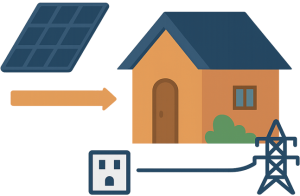
3. Your home uses the solar energy first, reducing the need for grid electricity.
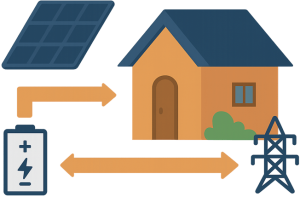
4. Excess electricity is sent to the grid, or stored in a battery if you have one.
3. Alberta's Solar Energy Potential
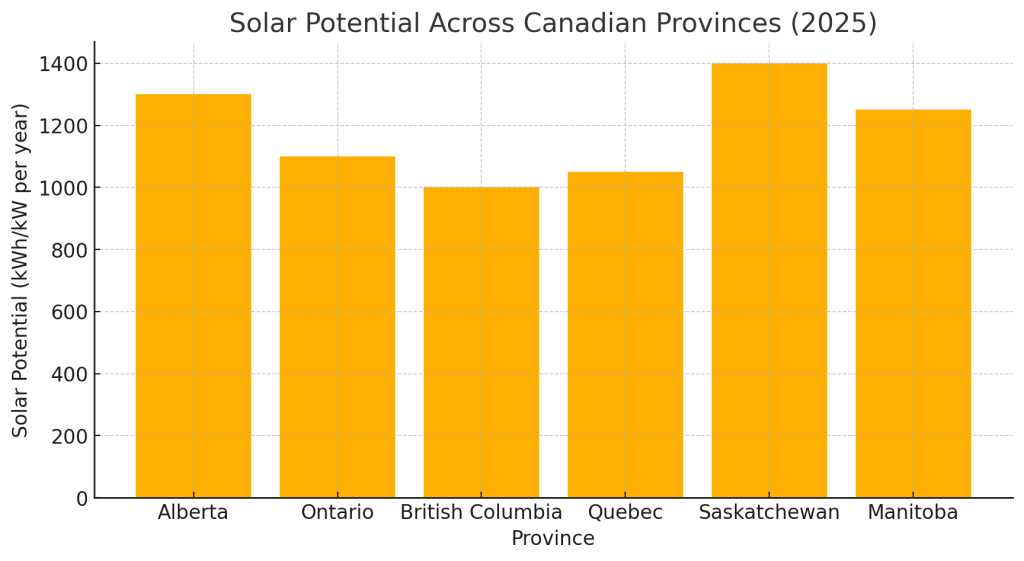
Alberta receives more solar energy than any other populated province in Canada. Calgary averages 333 sunny days per year and Edmonton averages 325 days. This translates to a solar production potential of 1,200–1,400 kWh per kW of installed capacity annually.
Alberta’s deregulated electricity market is a major advantage for solar owners. Unlike regulated provinces where the utility sets one fixed rate, Alberta homeowners shop for their electricity rate — and solar offsets the highest-priced hours first. With electricity prices that can spike significantly during peak demand, a solar system effectively hedges against rate volatility in a way that’s unique to Alberta’s energy market.
Net metering is available from all major retailers, allowing homeowners to earn credits for excess electricity sent to the grid. Some retailers like ENMAX offer seasonal rate switching that can maximize summer solar export income.
| Province | Average Annual Sunlight Hours | Solar Potential (kWh/kW per year) |
|---|---|---|
| Alberta | 2,300 - 2,600 | 1,200 - 1,400 |
| Ontario | 1,800 - 2,200 | 1,000 - 1,200 |
| British Columbia | 1,500 - 2,000 | 900 - 1,100 |
| Quebec | 1,700 - 2,100 | 1,000 - 1,150 |
| Saskatchewan | 2,400 - 2,700 | 1,300 - 1,500 |
| Manitoba | 2,100 - 2,500 | 1,150 - 1,300 |
4. Solar Incentives & Rebates in Alberta
The federal Canada Greener Homes programs are now closed, but Alberta homeowners still have access to meaningful incentives that can significantly reduce the cost of going solar:
1. Canada Greener Homes Grant (CLOSED FEB. 2024)
This federal grant offered up to $5,000 for solar PV installations. It closed permanently in February 2024 and is no longer accepting applications. Existing approved applications continue to be processed.
2. Alberta’s Net Metering Program
- Sell excess electricity back to the grid and earn credits.
- Reduces long-term electricity costs
4. Seniors Home Adaptation and Repair Program (SHARP):
- Low-interest home equity loan that covers repairs and renovations, including energy efficiency improvements.
- Homeowners who are seniors and have low income who do not qualify for a SHARP loan may be eligible for a grant. Learn more about SHARP here.
5. Municipal Solar Incentives
Several Alberta municipalities offer solar financing through the Clean Energy Improvement Program (CEIP), which allows homeowners to finance solar installations through their property taxes at below-market interest rates — up to $50,000.
- Calgary CEIP: Applications currently closed — sign up for email updates to be notified when the next window opens
- Edmonton: Check with your local utility for current program availability
- Other municipalities: Contact your municipality directly — CEIP participation varies by region
The CEIP’s key advantage: financing is attached to your property — if you sell, the remaining balance can transfer to the new owner.
Pro Tip: Check with your local municipality or installer for current rebates available in your area.
Get Started Today
See the cost and savings you would have if installing solar on your house:
5. The Cost of Going Solar in Alberta
How Much Does It Cost to Install Solar Panels in Alberta?
The cost of a solar power system in Alberta depends on several factors, including system size, panel type, installation complexity, and available incentives. While prices have significantly decreased over the past decade, investing in solar still requires an upfront financial commitment.
Below, we break down the average costs, potential savings, and payback periods for going solar in Alberta in 2026.
Average Solar Installation Costs in Alberta
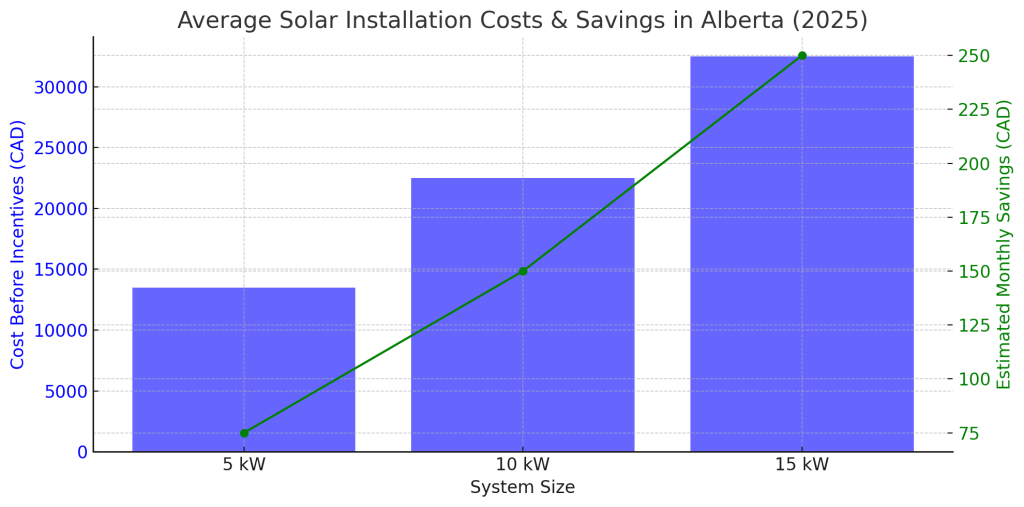
A typical solar panel system costs between $12,500 and $35,000 before incentives, depending on system size. The more electricity you want to generate, the larger the system you’ll need, which increases costs.
| System Size | Average Cost (Before Incentives) | Estimated Monthly Savings | Payback Period |
|---|---|---|---|
| 5 kW | $12,500 - $15,000 | $90 - $120 | 6 - 8 years |
| 10 kW | $20,000 - $25,000 | $150 - $220 | 6 - 8 years |
| 15 kW | $30,000 - $35,000 | $220 - $320 | 5 - 7 years |
* Monthly savings estimates based on Alberta’s average all-in electricity rate of ~16¢/kWh. Actual savings depend on your rate plan, system production, and net metering credits.
What Affects Solar Panel Costs in Alberta?
Several factors influence the total price of installing solar in Alberta:
1. System Size & Energy Needs
- A smaller system (5 kW) is suitable for energy-conscious households with lower electricity usage.
- A larger system (10 kW or more) benefits homeowners who want to offset more of their electricity bill or future-proof their home for increased energy use (EV charging, heat pumps, etc.).
2. Solar Panel Type & Quality
Not all solar panels are the same. The type of panel you choose will impact performance, efficiency, and cost:
- Monocrystalline Panels (Most Efficient – Higher Cost)
- Polycrystalline Panels (Affordable – Slightly Less Efficient)
- Thin-Film Panels (Flexible – Less Common for Residential Use)
3. Battery Storage (Optional but Recommended for Some Homes)
A solar battery stores excess energy for use when the sun isn’t shining, such as at night or during power outages. Adding a Tesla Powerwall or LG Energy Solution RESU battery increases costs but also provides energy independence.
- Battery Costs: $8,000 – $15,000 (Optional but useful for backup power)
- Do You Need It? If you want power during outages or to maximize solar savings in off-peak hours, a battery may be a good investment.
4. Installation Costs & Labour
The complexity of your solar installation affects labor costs. Factors that increase installation costs include:
- Roof Type & Condition (Older or steep roofs may require additional work)
- Wiring & Electrical Upgrades (Older homes may need panel upgrades)
- Permits & Inspections (These are usually included in installer quotes)
5. Available Incentives & Rebates
The final cost of going solar depends on how much you can save through grants, incentives, and tax credits. Alberta has several programs to lower installation costs.
6. Financing Options for Solar Panels in Alberta
If the upfront cost is too high, there are financing options available:
1. Solar Loans & Financing Plans
- Many banks and credit unions offer low-interest solar loans.
- Monthly payments are offset by energy savings.
2. Lease & Power Purchase Agreements (PPA)
- Some companies allow you to lease a solar system instead of buying it.
- You pay a fixed monthly fee for solar electricity.
- Downside: You don’t own the system or benefit from rebates.
3. Home Equity Line of Credit (HELOC)
- Using a HELOC loan to finance solar provides lower interest rates.
- Great option for homeowners with home equity available.
7. Choosing the Right Solar Panels & Equipment
Selecting the right solar panels and inverters is crucial to maximizing energy production, efficiency, and long-term savings. Here’s a quick breakdown of what you need to know when choosing solar equipment in Alberta.
1. Choosing the Right Solar Panels
Not all solar panels are created equal. The two most common types for residential solar installations in Alberta are:
Monocrystalline Panels (Best for Efficiency & Cold Climates)
- Highest efficiency (18-22%) – Generates more power per square foot.
- Performs well in low-light conditions & cold temperatures.
- Longer lifespan (25+ years).
- More expensive than polycrystalline panels.
Polycrystalline Panels (Budget-Friendly Option)
- Lower cost but slightly less efficient (16-18%).
- Good for homeowners looking for an affordable solar setup.
- Takes up more space for the same energy output.
Solar Panels Comparison
| Panel Type | Efficiency | Performance in Cold Weather | Space Efficiency | Lifespan | Cost |
|---|---|---|---|---|---|
| Monocrystalline | 18-22% | Excellent | High (More Power per Panel) | 25+ Years | Higher |
| Polycrystalline | 16-18% | Good | Lower (Needs More Panels) | 25+ Years | Lower |
2. Choosing the Right Solar Inverter
The inverter is the heart of your solar system—it converts DC electricity from the panels into usable AC power for your home. There are three main types:
1. String Inverters (Most Common & Affordable)
- One inverter connects multiple panels.
- Lower cost and works well if all panels get equal sunlight.
- Downside: If one panel is shaded, it can reduce the performance of the whole system.
2. Microinverters (Best for Roofs with Shade or Different Angles)
- Each panel has its own inverter, maximizing energy output.
- Best for homes with partial shading or different panel orientations.
- More expensive than string inverters but increases efficiency.
3. Hybrid Inverters (For Battery Storage Integration)
- Allows seamless battery connection for energy storage.
- Future-proofs your system if you plan to add a battery later.
- Recommended if you’re considering solar batteries like Tesla Powerwall.
Solar Inverters Comparison
| Inverter Type | Best For | Efficiency | Cost | Expandability | Battery Storage |
|---|---|---|---|---|---|
| String Inverter | Low-cost, full-sun roofs | Good | Lower | Limited | No |
| Microinverter | Shaded or multi-angle roofs | Best | Higher | High | No |
| Hybrid Inverter | Battery-ready systems | Best | Higher | High | Yes |
Final Thoughts
- For maximum efficiency & space-saving: Choose monocrystalline panels.
- For the best inverter choice: String inverters for cost savings, microinverters for shaded roofs, and hybrid inverters for battery readiness.
- Always check warranties! Top brands offer 25-year warranties for both panels and inverters.
8. Finding a Reliable Solar Installer in Alberta
Choosing the right solar installer is one of the most important steps in going solar. A well-installed system can provide 25+ years of clean energy, while a poor installation can lead to lower efficiency, higher costs, and maintenance headaches. In Alberta’s two biggest markets, we track and rank every active installer by verified Google reviews: see our full Calgary solar company rankings and Edmonton solar company rankings.
Why Choosing the Right Solar Installer Matters
Proper Permits & Regulations
Solar installers in Alberta must follow provincial electrical codes, municipal permits, and net metering rules. Our vetted installers handle all paperwork for you.
Maximizing Incentives & Rebates
A reputable installer ensures you get every available rebate, such as the Canada Greener Homes Grant ($5,000) and net metering credits.
Long-Term Reliability & Warranties
Quality installers provide 25-year warranties on solar panels and 10+ years on inverters, ensuring long-term performance.
Avoiding Scams & Low-Quality Work
Not all solar companies in Alberta are reputable. Some use cheap panels, push unnecessary add-ons, or disappear after installation.
That’s why we only recommend top-rated solar installers who pass our strict vetting process.
What to Look for in a Solar Installer in Alberta
When evaluating solar companies in Alberta, consider the following:
1. Are They Certified & Experienced?
Look for installers who are certified by the Canadian Solar Industries Association (CanSIA) or CSA. Experienced installers will have at least 3+ years of successful installations.
2. Do They Have Strong Customer Reviews?
Reputable solar installers in Alberta should have positive reviews on Google, SolarGuide.ca, and other platforms. Avoid companies with complaints about poor communication, misleading pricing, or post-installation issues.
3. Do They Offer Transparent Pricing & Warranties?
A reliable installer should:
- Provide detailed quotes with no hidden fees.
- Offer warranties of 25 years on panels & 10+ years on inverters.
- Explain expected energy savings and payback period clearly.
4. Do They Specialize in Alberta’s Solar Programs?
Your installer should be familiar with:
- Alberta’s net metering program (selling excess power to the grid).
- Municipal solar rebates (Edmonton, Calgary, etc.).
- Local utility solar buyback rates (Park Power, ENMAX, Shared Value Energy, etc.).
Looking for a Reputable Installer?
At SolarGuide, we take the guesswork out of finding a reputable solar installer in Alberta. Here’s how it works:

We Pre-Vet Every Installer
Only top-rated solar companies that meet quality, warranty, and customer satisfaction standards are listed.

We Rank Installers Based on Quality
Unlike other directories, we don’t just list any installer. We rank them based on customer reviews, installation quality, pricing transparency, and warranty coverage.
We Help You Compare Quotes
Get competing quotes from top-rated solar installers in your local area. This ensures you get the best system at the best price.

No Risk, No Obligation
There’s zero pressure when requesting quotes. You simply compare your options and choose the best installer for your home.
Get a Quote from a Pre-Vetted Solar Installer in Alberta
Want to find a trusted solar installer in Alberta? We’ve done the research for you. Get a free, no-obligation quote from a top-ranked, pre-vetted solar installer in your local area today!
9. The Solar Installation Process in Alberta
Installing a solar system in Alberta is a straightforward process, but it involves several important steps, including permitting, installation, and connecting to the grid. A reputable solar installer will guide you through every stage, ensuring a smooth, hassle-free experience.
Here’s what you can expect during the solar installation process in Alberta:
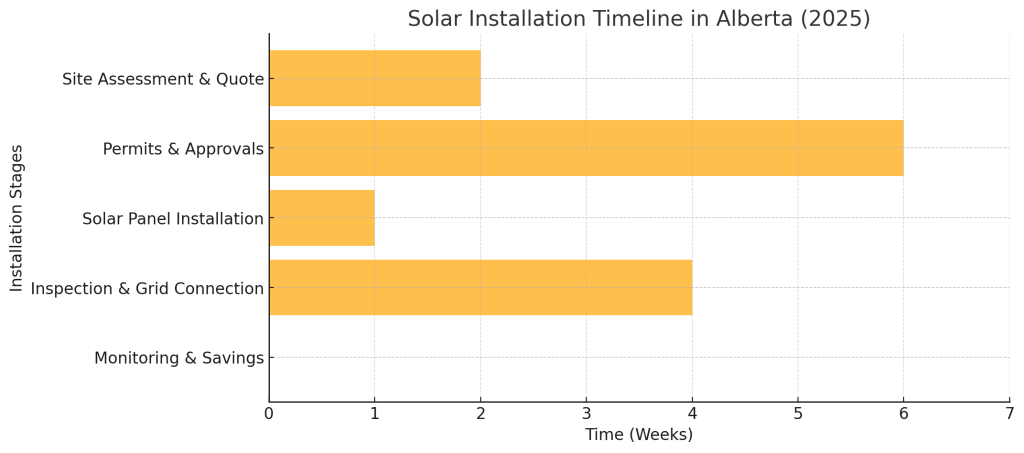
Step 1: Site Assessment & Solar Quote (1-2 Weeks)
- A professional solar installer will visit your home to assess your roof condition, orientation, and shading.
- They will review your energy usage to determine the right system size.
- You’ll receive a detailed quote, including system cost, estimated savings, payback period, and available incentives.
Pro Tip: Get multiple quotes from pre-vetted installers through SolarGuide.ca to compare pricing and system quality.
Step 2: Permits & Approvals (2-6 Weeks)
The installer handles all necessary permits and applications. This includes:
- Municipal building permits (if required).
- Electrical permits to ensure code compliance.
- Approval from your utility company to connect to the grid (Net Metering).
- Approval times vary by location, but most take 2-6 weeks.
Pro Tip: Some installers offer faster processing times because they have experience with local permitting rules.
Step 3: Solar Panel Installation (1-3 Days)
- The installation team mounts solar panels on your roof using racking systems.
- Inverters and wiring are installed to convert solar power into usable electricity.
- If you’ve opted for battery storage, the battery will be installed and connected to your system.
- The system is tested for performance and safety.
Pro Tip: Most residential solar installations take just 1-3 days, depending on system size and roof complexity.
Step 4: Inspection & Grid Connection (1-4 Weeks)
- A final electrical inspection ensures the system meets safety codes.
- Your utility company will approve and activate net metering, allowing you to sell excess solar energy back to the grid.
- Once approved, your system is turned on, and you start generating your own electricity!
Pro Tip: After installation, expect 1-4 weeks for inspection and grid connection approval.
Step 5: Monitoring & Enjoying Your Solar Savings
- Your installer will provide access to a solar monitoring app, allowing you to track energy production and savings in real time.
- Solar panels require minimal maintenance—just keep them free of debris and snow for maximum performance.
- Your system now starts paying for itself, reducing electricity bills for decades to come!
How to Get Started
Ready to install solar? Get a quote from a pre-vetted, highly ranked solar installer in Alberta today.
10. Selling Excess Solar Power: Understanding Net Metering
How Does Net Metering Work in Alberta?
- Your solar panels generate electricity.
- Your home uses the solar energy first. Any extra power flows back to the grid.
- You earn credits for the excess electricity sent to the grid.
- When you need power (e.g., at night), you use these credits to offset your electricity bill.
How Much Do Utility Companies Pay for Excess Solar?
Who Should Consider Net Metering?
- Homeowners who generate more electricity than they consume.
- Those looking to maximize ROI on their solar investment.
- Anyone wanting long-term energy savings while staying connected to the grid.
Net metering makes solar energy even more cost-effective in Alberta. By selling your extra electricity back to the grid, you can reduce your electricity costs year-round and make your solar investment pay off even faster!
In Alberta, several energy retailers offer specialized programs for solar micro-generators, allowing homeowners to maximize the value of their excess solar energy. Here’s a comparison of some notable options:
Alberta's Solar Net Metering Buyback Rates (2026)
| Retailer | Program Name | Export Rate (Sell to Grid) | Import Rate (Buy from Grid) | Admin Fee | Notes |
|---|---|---|---|---|---|
| Park Power | Solar Club | 35.00¢/kWh | 5.90¢/kWh | $7.25/month | UTILITYnet wholesale rate, fixed through Dec. 2028. Lowest admin fee among Solar Club retailers. |
| Shared Value Energy | Solar Club | 35.00¢/kWh | 5.90¢/kWh | $7.95/month | Same UTILITYnet wholesale rate as Park Power — admin fee is the main differentiator. |
| Get Energy | Solar Club | 35.00¢/kWh | 5.90¢/kWh | ~$9.97/month | Same UTILITYnet wholesale rate; highest admin fee of the three. |
| ENMAX Energy | Easymax Seasonal Solar™ | 35.0¢/kWh | Standard (non-discounted) rate | ~$0.33/day | Separate, non-UTILITYnet product. Matches the 35¢ summer export rate but winter import is not discounted. |
Full Solar Club breakdown: rates, eligibility & how to sign up →
Pro Tip: For a comprehensive comparison of available plans and to find the best fit for your needs, consider using the Utilities Consumer Advocate’s Cost Comparison Tool.Key Considerations
- Uniform Wholesale Rate: Every UTILITYnet-affiliated Solar Club retailer (Park Power, Shared Value Energy, Get Energy) pays the same 35.00¢/kWh export and 5.90¢/kWh import rate through December 2028 — the monthly admin fee is the real differentiator.
- Administrative Fees: Be mindful of monthly administrative fees, as they can affect overall savings.
- Program Flexibility: Most retailers require about 10 business days’ notice to switch onto or off the Solar Club rate.
By selecting the right energy retailer and program, you can maximize the financial returns from your solar power system in Alberta.
11. Common Myths & Misconceptions About Solar
Despite the growing popularity of solar energy in Alberta, there are still many misconceptions that prevent homeowners from making the switch. Here are some of the most common myths about solar power—and the facts to set the record straight.
Myth #1: “Solar Panels Don’t Work in Cold Climates Like Alberta”
Fact: Solar panels actually perform better in colder temperatures! In Alberta, sunny winter days help panels generate electricity efficiently, and snow can even increase solar output by reflecting light onto the panels.
Myth #2: “Solar Power Doesn’t Work on Cloudy Days”
Fact: Solar panels still produce energy on cloudy days, just at a lower efficiency. Even in cloudy climates like Germany (a global leader in solar), solar power is a major electricity source. Alberta’s high annual sunlight hours make it an excellent location for solar.
Myth #3: “Solar is Too Expensive”
Fact: The cost of solar has dropped by over 70% in the last decade, and with federal and provincial rebates, solar is more affordable than ever. Most systems pay for themselves in 6-12 years and provide free electricity for decades.
Myth #4: “Solar Panels Will Damage My Roof”
Fact: A properly installed solar system does not damage your roof—in fact, it can protect your shingles from weathering. Professional installers use non-invasive mounting systems that maintain your roof’s integrity.
Myth #5: “Solar Panels Require a Lot of Maintenance”
Fact: Solar panels have no moving parts, making them low-maintenance. They are designed to withstand Alberta’s harsh winters, and occasional rain or snowmelt naturally cleans the panels. Most solar panels come with 25+ year warranties.
Myth #6: “Solar Won’t Increase My Property Value”
Fact: Homes with solar panels sell faster and at higher prices. Studies show that buyers are willing to pay more for homes with lower energy costs and sustainable energy systems.
Frequently Asked Questions: Solar Panels in Alberta
How much do solar panels cost in Alberta?
The average cost to install solar panels in Alberta is $15,000–$38,000 for a residential system before incentives, or $2.50–$3.50 per watt installed. A typical 8–10 kW system for a mid-sized home runs $20,000–$28,000. After CEIP financing, many homeowners pay nothing upfront.
Are solar panels worth it in Alberta?
Yes — Alberta offers some of the best solar economics in Canada. With over 2,300 annual sunlight hours, electricity rates averaging 16¢/kWh, and a deregulated market where solar offsets peak-priced hours first, most systems pay back in 6–10 years and generate free electricity for 25+ years after that.
What solar rebates are available in Alberta in 2026?
The main active program is the Clean Energy Improvement Program (CEIP), which offers property tax financing up to $50,000 at below-market interest rates. The federal Canada Greener Homes Grant (closed Feb 2024) and Greener Homes Loan (closed Oct 2025) are both permanently closed. Alberta seniors may also qualify for the SHARP low-interest loan.
How does net metering work in Alberta?
Alberta's deregulated market means net metering rates vary by retailer. ENMAX's Easymax Seasonal Solar™ pays up to 35¢/kWh for summer exports. EPCOR and other retailers offer their own programs. Credits offset your import bill — excess credits typically reset annually depending on your retailer.
Who are the best solar companies in Alberta?
It depends on your city and criteria. We track 24 active installers in Calgary (3,977 verified Google reviews between them) and 16 in Edmonton (2,325 reviews), ranked by verified review volume. See our full rankings of solar companies in Calgary and solar companies in Edmonton — no installer pays for placement.
Is the Alberta CEIP program still available in 2026?
Yes. The Clean Energy Improvement Program (CEIP) remains active in participating Alberta municipalities in 2026, offering financing of up to $50,000 for solar and energy upgrades, repaid through your property tax bill. Availability depends on your municipality — check whether your city or town is currently accepting applications, as funding rounds open and close.
How long does a solar installation take in Alberta?
Plan for roughly 4–8 weeks end-to-end: site assessment and quote (1–2 weeks), permits and utility approvals (2–6 weeks), then the physical installation itself, which typically takes just 1–3 days. Grid connection and final inspection follow, after which your net metering credits begin.
12. Future of Solar Energy in Alberta
Alberta is on a rapid solar growth trajectory, driven by economics as much as policy:
- Installed capacity surpassed 1,000 MW in 2024 — up from just 200 MW in 2020
- Electricity prices rose over 40% between 2021 and 2024, making solar a hedge against rate volatility
- AUC expanded net metering eligibility to systems up to 5 MW in 2023
- New N-type TOPCon panels now offer 22–23% efficiency — smaller roof footprints for the same output
- Battery + solar combinations growing rapidly with Tesla Powerwall 3 and LG Energy Solution RESU
- Alberta’s 2030 clean electricity targets include significant solar expansion
For homeowners considering solar: waiting means paying more for electricity and missing years of savings.
Alberta’s high solar potential, declining costs, and government incentives are driving rapid solar growth. With some of Canada’s best sunlight levels, solar is becoming a cost-effective energy solution.
Key Drivers:
- Lower Costs & Higher Efficiency – Solar panel prices are dropping while efficiency improves.
- Government Incentives – Programs like the Canada Greener Homes Grant and CEIP make solar more affordable.
- Strong Solar Potential – Alberta gets more sunlight than most provinces, maximizing energy production.
13. Conclusion: Is Solar Right for You?
If you want to save money on electricity, increase your home’s value, and contribute to a cleaner environment, solar energy is a great investment in Alberta. Homeowners who meet the following criteria should seriously consider going solar in Alberta:
- Plan to Stay in Their Home for 6+ Years – The average payback period for solar is between 6 to 12 years, so it’s best for homeowners who plan to stay long enough to see full savings.
- Have a High Electricity Bill ($100+/month) – If you’re paying $100 or more per month for electricity, solar can significantly reduce or even eliminate your bill over time.
- Own a South-Facing or Unshaded Roof – Homes with south-facing roofs and minimal shade will generate the most solar energy and maximize financial savings.
- Want to Increase Property Value – Homes with solar panels sell for more and sell faster than those without, according to real estate studies.
- Looking for Protection Against Rising Energy Costs – Alberta’s electricity rates have been fluctuating, and solar provides energy price stability by locking in your electricity production for 25+ years.
Key Benefits of Going Solar:
- Reduce electricity bills by up to 90%
- Earn credits from excess energy production (Net Metering)
- Increase home value (Solar panels can boost resale value)
- Protect against rising electricity costs
- Reduce carbon footprint and support Alberta’s clean energy transition
Solar Panel Installation Cost by City in Alberta
| City | Avg install cost (before incentives) | Annual production (per kW) |
|---|---|---|
| Calgary | $15,000–$38,000 | 1,350 kWh |
| Edmonton | $15,000–$36,000 | 1,280 kWh |
| Lethbridge | $14,000–$35,000 | 1,400 kWh |
| Red Deer | $15,000–$37,000 | 1,300 kWh |
| Grande Prairie | $16,000–$38,000 | 1,250 kWh |
| Medicine Hat | $14,000–$35,000 | 1,420 kWh |
| Airdrie | $15,000–$37,000 | 1,340 kWh |
| St. Albert | $15,000–$36,000 | 1,270 kWh |
Costs based on a 6–10 kW residential system. Lethbridge and Medicine Hat benefit from Alberta's highest sun hours. CEIP financing available in select municipalities — see city guides for local rebate details.
Solar Panels by City in Alberta
Alberta has some of Canada's best solar potential — with over 300 sunny days per year in many regions. Explore our city-specific guides to find exact costs, local rebates, net metering rates, and pre-vetted solar installers near you.
Can't find your city? Use our free solar calculator for a personalized estimate anywhere in Alberta.
Get Started Today
See the cost and savings you would have if installing solar on your house: