Commercial Solar Panels for Canadian Businesses (2026)
A Comprehensive Guide to Commercial Solar Panels
See Commercial Solar Prices Near You
Enter your postal code to see what solar panel installations cost in your local area.
Why Go Solar as a Business in Canada?
Switching to commercial solar energy is an excellent option for Canadian businesses looking to reduce operational costs, enhance sustainability, and make a long-term investment in clean energy. This guide explores the pros and cons of going solar, available rebates and incentives, costs and benefits, and provincial differences, helping you make an informed decision.
Pros:
-
1. Cost Savings Solar energy significantly reduces electricity bills by generating free electricity from sunlight. Many businesses achieve ROI within 7-10 years.
-
2. Environmental Impact Solar energy is clean and renewable, reducing carbon footprints and aligning businesses with global sustainability goals.
-
3. Enhanced Reputation Customers increasingly favour environmentally conscious businesses. Adopting solar energy can boost your brand image and attract eco-minded consumers.
-
4. Energy Independence Solar systems reduce dependence on utility providers, insulating businesses from fluctuating energy prices.
-
5. Government Incentives Federal and provincial programs offer rebates, tax credits, and other incentives to make solar installations more affordable.
Cons:
-
1. Upfront Costs Installing a solar energy system can require significant initial investment, although incentives and financing options mitigate this.
-
2. Weather Dependence Solar panels generate less energy on cloudy days or in regions with low sunlight, requiring businesses to consider storage solutions or backup energy sources.
-
3. Space Requirements Solar installations require sufficient roof or ground space, which may be limited for some businesses.
-
4. Maintenance While minimal, solar panels need occasional cleaning and maintenance to maintain efficiency.
Solar Rebates and Incentives for Businesses in Canada
Government incentives and rebates significantly lower the cost of going solar for businesses and commercial properties in Canada. Here are some key programs:

❌ Canada Greener Homes Programs — Closed (Residential Only)
The Canada Greener Homes Grant (closed Feb 2024) and Loan (closed Oct 1, 2025) are both no longer accepting applications. These programs were also residential-only — they never applied to commercial or business solar installations. They are listed here for reference only.
Accelerated Capital Cost Allowance (Federal Program)
Under CCA Class 43.2, Canadian businesses can write off 100% of eligible clean energy equipment costs in the year of acquisition — including solar PV systems, inverters, and mounting hardware. This immediate full deduction significantly reduces taxable income in the installation year. See the tax benefits section below for a real-world example.

Ontario
Ontario businesses access solar energy credits through net metering via their local distribution company (LDC). There is no active provincial commercial solar rebate program. Businesses with high electricity consumption benefit most from Ontario’s Time-of-Use (TOU) pricing, where solar generation during peak hours maximizes savings. The HRS program (up to $10,000 — $5,000 solar + $5,000 battery) is residential only.

British Columbia
BC businesses can access BC Hydro’s self-generation service rate, which replaced net metering on July 1, 2026 and credits excess solar generation at a flat 10¢/kWh. BC also exempts solar equipment from PST. Eligible small commercial customers may also access BC Hydro’s $5,000 solar rebate — check eligibility with BC Hydro directly.

Alberta
Alberta has no direct commercial solar rebate. However, businesses benefit from no provincial sales tax on solar equipment (GST only), highly competitive electricity rates via deregulation, and approximately 1,800–2,300 peak sun hours annually — Canada’s best for solar. The CEIP property tax financing ($50,000) applies to smaller commercial properties. Large commercial projects can access federal CCA Class 43.2 write-offs.

Quebec
Hydro-Quebec’s net metering program supports businesses generating renewable energy for self-consumption.

Saskatchewan
Saskatchewan businesses access SaskPower net metering, with credits at approximately 7.5¢/kWh. There is no active provincial commercial solar rebate. Saskatchewan’s exceptional solar resource — over 2,300 peak sun hours annually, the highest in Canada — makes ROI attractive despite the lack of direct rebates.
Tax Benefits of Going Solar for Canadian Businesses
One of the most powerful — and often overlooked — advantages of commercial solar in Canada is the federal tax treatment. Here’s what every business owner should know.
CCA Class 43.2 — 100% Immediate Write-Off
Solar PV systems qualify under CCA Class 43.2. Under the Accelerated Investment Incentive, Canadian businesses can deduct 100% of the capital cost of eligible clean energy equipment in the year of acquisition — rather than spreading it over many years.
Eligible equipment includes: solar panels, inverters, mounting hardware, battery storage paired with solar, and related electrical components.
Input Tax Credits (ITCs) on GST/HST
Businesses registered for GST/HST can claim a full Input Tax Credit on the GST/HST paid during installation — recovering that cost entirely through their next GST/HST return.
Real-World Example: 100 kW Commercial Solar System
Scenario: Ontario manufacturing facility, 100 kW rooftop solar @ $3.00/W installed
- System cost: $300,000 CAD
- HST (13%) recovered via ITC: −$39,000
- CCA Class 43.2 deduction (100% Year 1): −$300,000 from taxable income
- Tax savings at 26.5% combined rate: −$79,500 cash tax reduction
- Annual electricity savings (~60% of $48K/yr bill): −$28,800/yr
- Effective net cost after Year 1 tax benefits: ~$181,500
- Estimated simple payback: ~6.3 years
Over a 25-year panel life, this system generates approximately $720,000 in electricity savings — on a $181,500 effective net investment after tax. That’s nearly 4× return, before any carbon credit value.
Illustrative only. Actual tax savings depend on your corporate tax rate, fiscal year, and eligible capital costs. Consult a qualified accountant before making investment decisions.
The combination of immediate CCA write-off, HST recovery, and ongoing electricity savings makes commercial solar one of the most tax-efficient capital investments available to Canadian businesses in 2026.
Costs and Benefits of Commercial Solar for Businesses
Average Costs
System Size: Most commercial solar systems range from 50 kW to 500 kW+.
Cost per Watt: $2.50–$3.50 CAD per watt installed (all prices in Canadian dollars).
Total System Cost: Approximately $125,000–$1,750,000 CAD depending on system size, location, and complexity.
Note: Smaller commercial systems (10–50 kW) typically run $25,000–$125,000 CAD installed.
Average Benefits
Energy Savings: Businesses typically save 40–80% on electricity bills annually, depending on system size and local electricity rates.
ROI Timeline: Most businesses recoup their investment in 6–12 years, with panels lasting 25–30 years. Alberta and Saskatchewan businesses often see faster payback due to superior solar resources.
Carbon Offsets: A 100 kW system reduces CO₂ emissions by approximately 50 metric tons annually.
Asset Value: Solar installations increase commercial property value and can be a differentiator in lease negotiations.
Provincial Breakdown
Ontario
Sunlight Hours:
Moderate to high, averaging 1,200–2,000 hours annually.
Key Incentives:
Net metering programs and municipal grants.
Best Fit:
Businesses with rising electricity costs due to utility inflation.
British Columbia
Sunlight Hours:
Moderate, ranging from 1,200–1,800 hours annually.
Key Incentives:
Net metering and hydro rebates for surplus energy generation.
Best Fit:
Small businesses seeking sustainable energy alternatives.
Alberta
Sunlight Hours:
High, averaging 1,800–2,300 hours annually.
Key Incentives:
No PST on solar equipment, federal CCA Class 43.2 full write-off, net metering rates negotiated with your electricity retailer (ENMAX’s Easymax Seasonal Solar™ pays up to 35¢/kWh in summer), CEIP property tax financing for eligible properties.
Best Fit:
Commercial buildings with large roof space.
Quebec
Sunlight Hours:
Moderate, approximately 1,200–1,800 hours annually.
Key Incentives:
Hydro-Quebec net metering for energy credits.
Best Fit:
Industrial facilities and manufacturing plants.
Saskatchewan
Sunlight Hours:
Highest in Canada, with over 2,300 hours annually.
Key Incentives:
SaskPower net metering (~7.5¢/kWh), federal CCA Class 43.2 full write-off, no provincial rebate currently active.
Best Fit:
Businesses with high energy demands.
Steps to Going Solar for your Business
1. Evaluate your Energy Needs
Assess your current electricity usage and future energy goals.
2. Site Assessment
Consult a solar installer to evaluate your roof or ground space, sunlight availability, and energy potential.
3. Choose a Solar Installer
Work with a reputable, pre-vetted solar company. SolarGuide.ca connects you with in your area.
4. Secure Financing and Incentives
Explore grants, loans, and tax incentives to offset installation costs.
5. Install and Monitor
Once installed, monitor your system’s performance to ensure optimal energy production.
Is Solar Right for your Business?
Solar energy is a smart investment for Canadian businesses prioritizing sustainability, cost savings, and energy independence. With government incentives, competitive installation costs, and long-term benefits, solar can provide a significant ROI while positioning your business as a leader in clean energy.
Get a Quote from a Pre-Vetted Solar Installer
If you’re ready to explore solar options for your business, SolarGuide.ca can help. Contact us today to connect with pre-vetted solar installers and get tailored quotes.
Which Businesses and Commercial Buildings Benefit Most from Solar Energy?
Not every business consumes power the same way — but if you operate during the day, have consistent energy use, or own your property, solar could be a game changer. Here are the types of commercial buildings and businesses that see the biggest return on solar in Canada:

Warehouses & Distribution Centres
Why it works:
Large, flat rooftops and significant lighting or HVAC demands.
Key Benefit:
Maximize solar output with big rooftop arrays and cut operating costs dramatically.

Retail Stores & Shopping Plazas
Why it works:
Operate during peak sunlight hours with strong public visibility.
Key Benefit:
Save on power while showcasing your commitment to sustainability.

Hotels & Hospitality
Why it works:
24/7 operations, heating, cooling, and laundry services use a lot of power.
Key Benefit:
Solar slashes energy bills and boosts your brand’s green image.

Laundromats & Car Washes
Why it works:
Constant demand for electricity and hot water.
Key Benefit:
Fast ROI thanks to predictable, high energy usage.

Manufacturing Facilities
Why it works:
Energy-intensive machinery and long shifts mean high electricity bills.
Key Benefit:
Cut costs and meet ESG/sustainability targets with clean energy.

Medical Clinics & Long-Term Care Homes
Why it works:
Need consistent power for operations and patient comfort.
Key Benefit:
Solar plus optional battery storage increases resilience and lowers long-term costs.

Schools, Daycares & Campuses
Why it works:
Operate during daylight hours and benefit from education opportunities.
Key Benefit:
Reduce overhead and promote environmental leadership to students and parents.

Offices & Co-Working Spaces
Why it works:
Daytime operations align with solar production.
Key Benefit:
Reduce utility expenses and increase sustainability ratings.

Farms & Agricultural Operations
Why it works:
Power-hungry equipment and often remote grid connections.
Key Benefit:
Solar reduces energy bills and qualifies for rural/agricultural incentives.
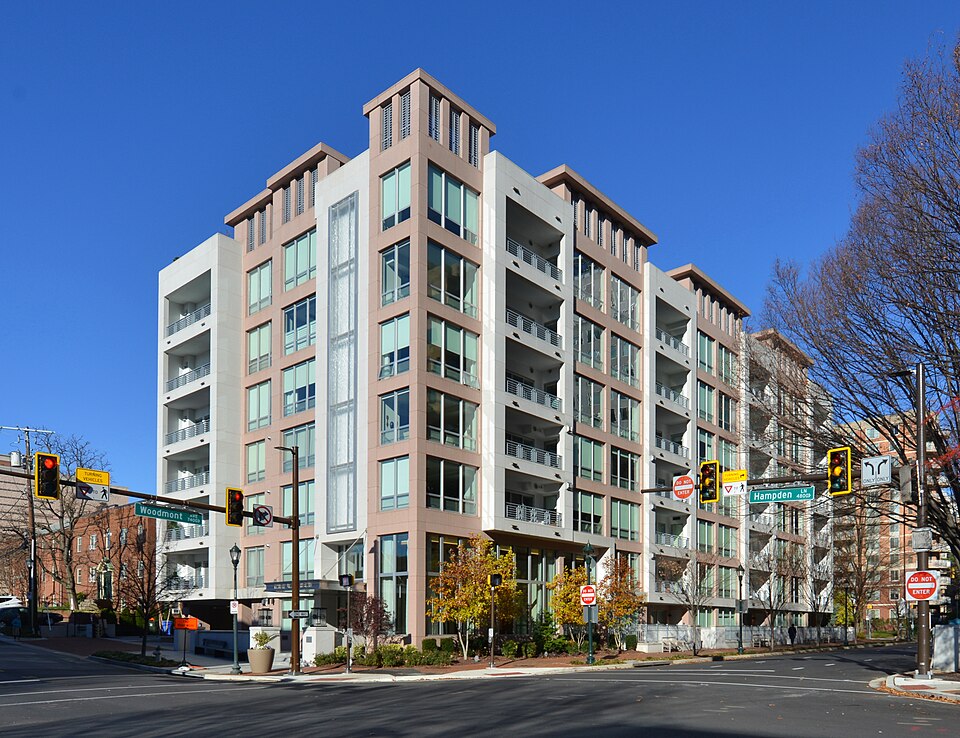
Commercial Rental Properties
Why it works:
Landlords can include electricity in leases or sell back to the grid.
Key Benefit:
Increase asset value, improve tenant satisfaction, and stand out in competitive markets.
Not Sure if Your Building is a Good Fit?
Let SolarGuide.ca connect you with a trusted solar installer to assess your site and energy needs — free of charge.
Frequently Asked Questions — Commercial Solar in Canada
Commercial solar systems in Canada typically cost $2.50–$3.50 CAD per watt installed. A 50 kW system runs approximately $125,000–$175,000 CAD, while a 250 kW system ranges from $625,000–$875,000 CAD. Costs vary by province, roof complexity, and equipment selected. After federal CCA Class 43.2 write-offs and HST Input Tax Credits, the effective net cost is typically 25–35% lower in the first year.
Yes. Under CCA Class 43.2 and the Accelerated Investment Incentive, Canadian businesses can deduct 100% of eligible solar equipment costs in the year of acquisition. This applies to solar panels, inverters, mounting hardware, and paired battery storage. For a $300,000 system at a 26.5% combined corporate tax rate, this generates approximately $79,500 in immediate tax savings.
Most Canadian businesses see a simple payback period of 6–12 years, depending on system size, local electricity rates, and available incentives. Alberta and Saskatchewan businesses often achieve faster payback (6–8 years) due to high solar irradiance. Ontario businesses with Time-of-Use pricing also see strong returns. With panels lasting 25–30 years and no fuel costs, the long-term ROI is typically 300–500%.
Commercial solar has fewer direct rebates than residential, but significant federal tax advantages apply to all businesses. The federal CCA Class 43.2 allows 100% write-off in Year 1. BC businesses may access BC Hydro’s solar rebate program (verify commercial eligibility). Net metering is available in all provinces. The Canada Greener Homes programs were residential-only and are now closed.
Alberta and Saskatchewan offer the best solar resource (1,800–2,300+ peak sun hours annually) and no provincial sales tax on solar equipment, making them ideal for pure economics. Ontario offers Time-of-Use pricing that maximizes solar bill savings during peak hours. BC offers BC Hydro’s self-generation export rate and potential rebates. Quebec’s low electricity rates make payback periods longer, but the solar resource is still viable.
Generally yes — most lenders and installers require you to own the property, as the solar system is attached to the building and tied to the lease. However, some commercial solar financing options (such as power purchase agreements or operating leases) allow tenants to benefit from solar without ownership. Landlords can also install solar and pass savings to tenants or include electricity in modified lease terms.
Commercial Solar by City
Commercial solar costs, incentives, and installer availability vary significantly by city and province. See our local guides for detailed information:
📍 Edmonton →
📍 Lethbridge →
📍 Red Deer →
📍 Vancouver →
📍 Victoria →
📍 Kelowna →
📍 Surrey →
📍 Burnaby →
📍 Halifax →
Can’t find your city? Use our free solar calculator for a commercial estimate anywhere in Canada.