Battery Energy Storage in Canada
See Battery Storage Prices Near You
Enter your postal code to see what battery storage installations cost in your local area
As more Canadians turn to renewable energy solutions like solar, battery energy storage systems (BESS) are becoming an essential piece of the puzzle. These systems allow you to store energy for later use, giving you greater control over your energy needs while enhancing the reliability of renewable power sources. Whether you’re a homeowner or a business owner, this guide will walk you through everything you need to know about battery energy storage in Canada—including the types of products available, costs, benefits, and drawbacks.
What is Battery Energy Storage?
Battery energy storage systems are devices that store electricity for later use, making them an ideal partner for renewable energy systems like solar panels. By capturing excess energy generated during the day, you can use it during the night, during outages, or during periods of high electricity demand. This technology provides a way to reduce energy costs, enhance sustainability, and increase energy independence.
Popular Battery Storage Options in Canada
When it comes to battery storage, not all systems are created equal. Here are some of the most popular types available in Canada:
1. Lithium-Ion Batteries
Lithium-ion batteries are the most widely used storage option due to their efficiency, long lifespan, and compact size. They’re a reliable choice for both residential and small commercial installations. Popular models include the Tesla Powerwall, LG Chem RESU, and Sonnen Eco.
2. Lead-Acid Batteries
Lead-acid batteries are a more affordable option, but they come with a shorter lifespan and lower efficiency compared to lithium-ion. They’re best suited for backup power in emergencies or areas with minimal energy storage needs.
3. Flow Batteries
Flow batteries are known for their scalability and long cycle life. While they’re more expensive upfront, they’re ideal for industrial or large-scale commercial applications where durability is key.
4. Hybrid Systems
Hybrid inverters combine energy storage and solar integration in one unit, making them a convenient and efficient option for homes and businesses looking for a seamless energy solution.
How Much Do Battery Systems Cost in Canada?
The cost of a battery energy storage system depends on its size, type, and capacity. All prices below are in Canadian dollars (CAD) and include installation unless noted.
For Residential Systems (5–15 kWh)
- Lithium-Ion Batteries: $12,000–$22,000 CAD (including installation). Tesla Powerwall typically $14,000–$18,000 CAD installed.
- Lead-Acid Batteries: $5,000–$10,000 CAD (lower cost, lower efficiency and lifespan).
For Commercial Systems (50–500 kWh)
- Lithium-Ion Batteries: $50,000–$200,000 or more, depending on system size.
- Flow Batteries: $100,000+ (high durability but high cost).
Additional Costs to Consider:
- Installation Fees: Typically range from $2,000–$5,000, depending on complexity.
- Battery Management Systems (BMS): Advanced features may add $1,000–$3,000.
The Pros and Cons of Battery Energy Storage
Advantages of Battery Storage
- Energy Independence: Reduce reliance on the grid and avoid outages.
- Cost Savings: Store energy during off-peak hours and use it during peak times to lower electricity bills.
- Sustainability: Pairing a battery with solar panels helps maximize your use of renewable energy.
- Backup Power: Keep essential appliances running during blackouts or emergencies.
Disadvantages of Battery Storage
- High Initial Costs: Upfront investment can be a barrier, although incentives are available to help offset expenses.
- Limited Lifespan: Most batteries last 10–15 years before needing replacement.
- Capacity Limitations: Larger homes or businesses may need multiple units to meet energy demands.
- Environmental Concerns: Proper recycling and disposal of old batteries are essential to avoid environmental harm.
Battery Storage Incentives & Rebates in Canada (2026)
Installing a battery energy storage system can be more affordable thanks to provincial programs. Here are the key incentives available as of 2026:
✅ BC Hydro Battery Storage Rebate — Active
BC Hydro offers up to $5,000 for battery storage systems paired with solar. Battery-only applications are no longer eligible from April 1, 2026. Requires pre-approval through BC Hydro’s self-generation program.
✅ Ontario Home Renovation Savings (HRS) — Active to Nov 2026
Save On Energy’s HRS program offers up to $10,000 for solar or up to $12,000 when bundled with battery storage. Note: cannot be combined with net metering enrollment.
✅ Alberta CEIP — Active
Alberta’s Clean Energy Improvement Program offers property tax financing up to $50,000 for solar and battery systems, repaid through your property tax bill over 20 years. No upfront cost.
✅ Halifax Solar City PACE — Active (HRM only)
Halifax residents can access low-interest financing at 4.75% fixed over 10 years through the Solar City PACE program for solar and battery installations.
❌ Canada Greener Homes Grant — Closed Feb 2024
This federal grant program is no longer accepting applications.
❌ Canada Greener Homes Loan — Closed Oct 1, 2025
This federal interest-free loan program is no longer accepting applications. Existing approved applications continue to be processed.
Check with your province for the most current programs, as incentives change regularly.
🇨🇦 Ontario homeowners: The HRS battery rebate ($5,000) is only available when paired with a new solar installation — and it cannot be combined with net metering. Understanding this trade-off before installation could save you thousands. See the full Ontario HRS vs. Net Metering breakdown →
Battery Energy Storage: Who Should Consider It?
Battery energy storage is an excellent choice for:
- Homeowners in BC: Pair with solar to access BC Hydro’s $5,000 battery rebate and maximize net metering credits.
- Ontario homeowners: Combine with solar under the HRS program for up to $12,000 in rebates (before Nov 2026).
- Businesses: Lower energy bills by reducing peak demand charges and storing off-peak power.
- Off-Grid Properties: A must-have for remote locations without reliable grid access.
If you generate your own energy with solar panels, adding a battery helps you store unused energy and use it when you need it most.
Get Started with Battery Energy Storage in Canada
Switching to a battery energy storage system can transform the way you use and store energy, giving you greater control, cost savings, and peace of mind. Whether you’re looking for a small residential system or a large commercial setup, SolarGuide.ca can help connect you with experienced, pre-vetted installers in your area.
Best Solar Energy Battery Storage Brands in Canada
Choosing the right battery system is key to getting the most out of your solar setup. Below are Canada’s most trusted battery brands, with quick pros and cons to help you decide.
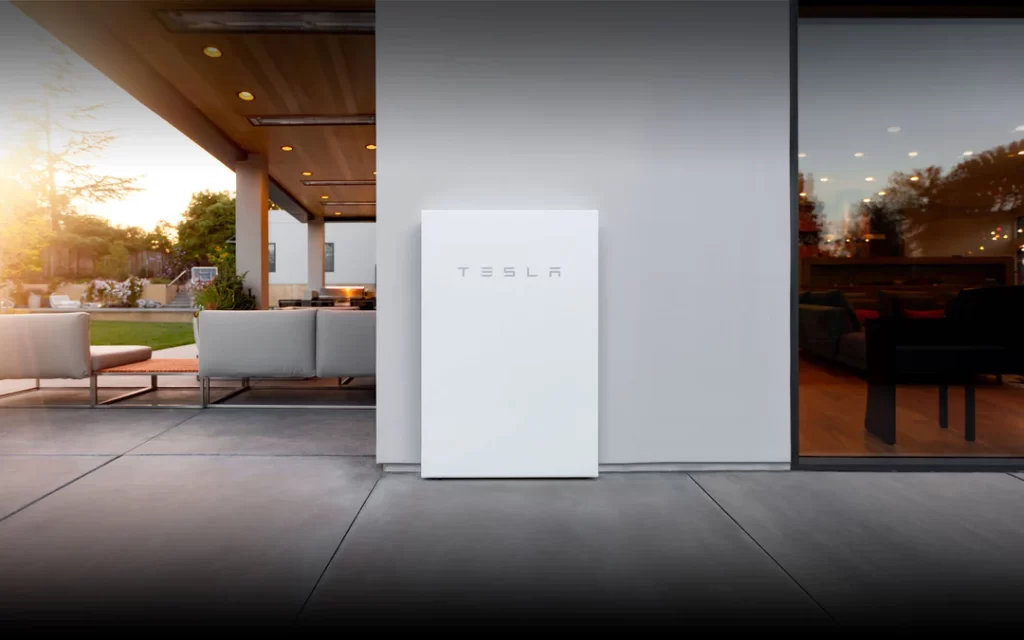
Tesla Powerwall
Best for:
Homes with solar panels looking for sleek design & smart features
Capacity: 13.5 kWh
Warranty: 10 years
Pros:
- Clean, modern look
- Smart app & performance tracking
- Great for backup during outages
- Stackable for more capacity
Cons:
- Higher cost (~$14,000–$18,000 CAD installed)
- Not always available in all provinces
- Less ideal for full off-grid systems
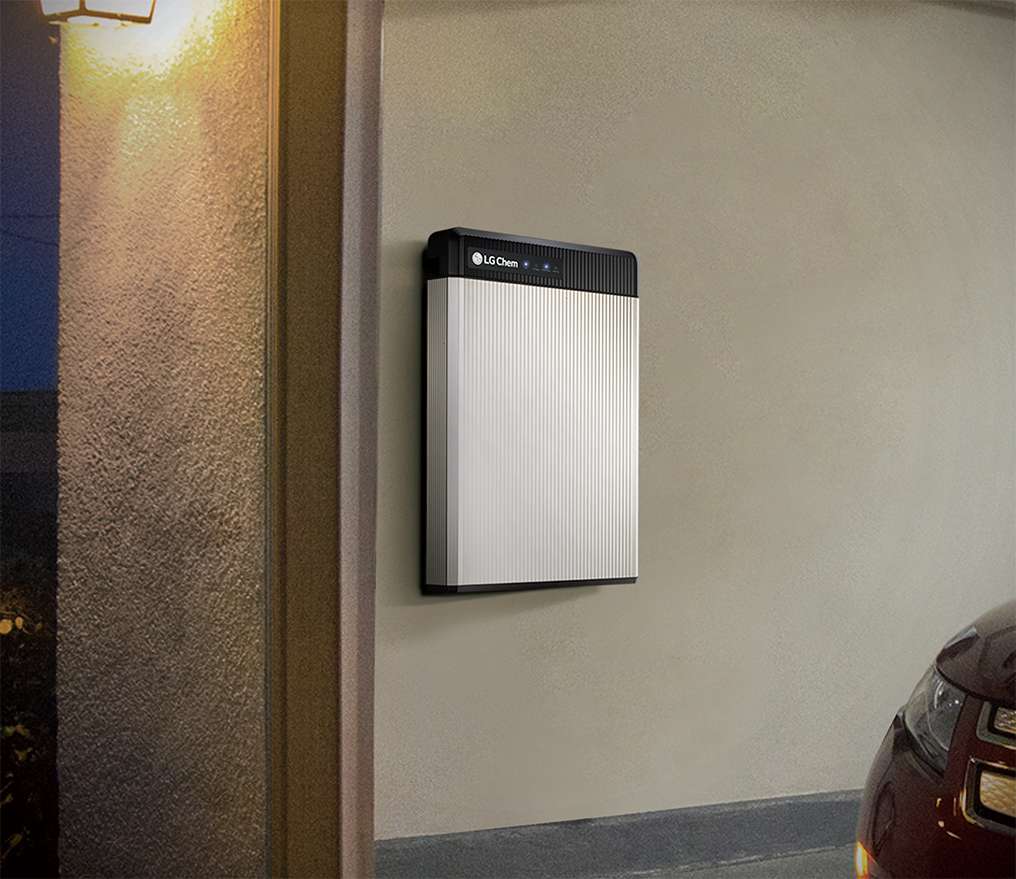
LG Energy Solution RESU
Best for:
Compact home storage & solar backup
Capacity: 9.8–16 kWh (RESU Prime series)
Warranty: 10 years
Pros:
- Compact and efficient
- Works with many inverters
- Reliable brand with proven tech
Cons:
- Smaller capacity
- Requires separate inverter
- Limited smart features
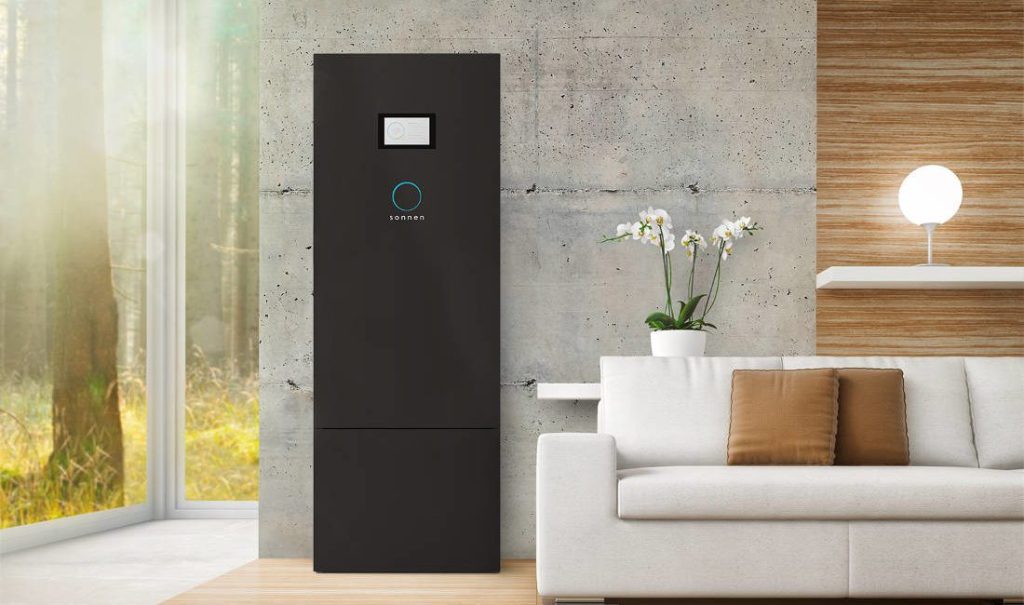
Sonnen Eco
Best for:
Premium home systems & smart energy management
Capacity: 5-20+ kWh (modular)
Warranty: 10 years
Pros:
- Long lifespan (LiFePO₄ chemistry)
- Smart energy automation
- Safe, stable, and efficient
Cons:
- Higher price point
- Fewer Canadian dealers
- Requires pro setup
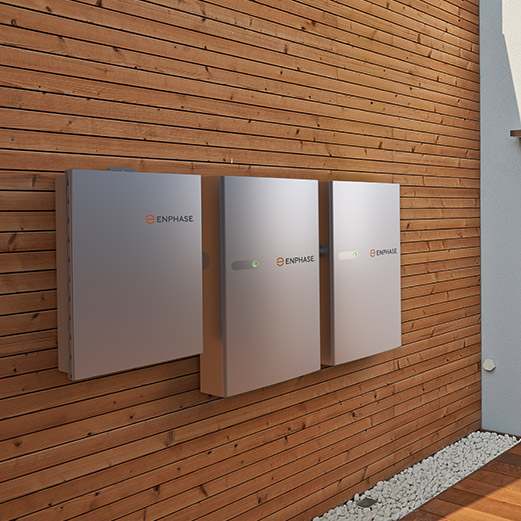
Enphase IQ Battery
Best for:
Homes already using Enphase solar microinverters
Capacity: 3.5 kWh per unit (stackable)
Warranty: 10 years
Pros:
- Plug-and-play for Enphase users
- Easy to expand
- Excellent app & software
Cons:
- Small capacity per unit
- Less ideal without Enphase solar
- Higher cost per kWh

BYD / Pylontech
Best for:
Off-grid homes & large commercial or rural areas
Capacity: Customizable (modular 48V units)
Warranty: 10+ years
Pros:
- Affordable & scalable
- Excellent for off-grid setups
- Long-lasting (LiFePO₄ chemistry)
Cons:
- Not plug-and-play
- Needs expert installation
- Less brand recognition for homeowners
| Brand | Best For | Capacity | Warranty | Key Pros | Key Cons |
|---|---|---|---|---|---|
| Tesla Powerwall | Smart home backup & sleek solar integration | 13.5 kWh (stackable) | 10 years |
|
|
| LG Chem RESU | Compact home systems & backup | 9.8 kWh | 10 years |
|
|
| Sonnen Eco | Premium homes & smart energy control | 5–20+ kWh (modular) | 10 years |
|
|
| Enphase IQ | Homes already using Enphase solar | 3.5 kWh per unit (modular) | 10 years |
|
|
| BYD / Pylontech | Off-grid & commercial or rural use | Modular 48V units | 10+ years |
|
|
Need Help Choosing?
SolarGuide.ca connects you with trusted local installers who can recommend the best battery for your needs, budget, and energy goals.
Frequently Asked Questions — Battery Storage in Canada
Home battery systems in Canada typically cost between $12,000 and $22,000 CAD installed, depending on capacity and brand. The Tesla Powerwall runs approximately $14,000–$18,000 CAD installed. Costs vary by province due to labour rates and installer availability. Available incentives like the BC Hydro $5,000 battery rebate or Ontario HRS program can significantly reduce out-of-pocket costs.
Yes — active programs include BC Hydro’s $5,000 battery storage rebate (must be paired with solar), Ontario’s Home Renovation Savings program (up to $12,000 bundled with solar, runs to Nov 2026), and Alberta’s CEIP property tax financing (up to $50,000). The federal Canada Greener Homes Grant and Loan are both closed as of 2025.
The Tesla Powerwall is the most popular choice for Canadian homeowners due to its 13.5 kWh capacity, smart app monitoring, and seamless solar integration. For premium performance and longevity, the Sonnen Eco uses LiFePO₄ chemistry for a longer lifespan. For those already using Enphase solar microinverters, the Enphase IQ Battery is the easiest to integrate. The best battery depends on your home size, energy usage, and existing solar setup.
Yes, you can install a battery without solar panels to store cheaper off-peak grid electricity and use it during peak hours. However, most Canadian provincial rebates — including BC Hydro’s battery rebate — require the battery to be paired with a new solar installation. Standalone battery storage may still qualify for Alberta’s CEIP financing.
Most lithium-ion home batteries last 10–15 years before needing replacement, and most manufacturers offer a 10-year warranty. LiFePO₄-chemistry batteries (like Sonnen Eco and BYD) can last significantly longer — often 15–20+ years — due to their more stable chemistry. Battery capacity will gradually decline over time, typically retaining around 70–80% of original capacity by the end of the warranty period.
It depends on your province and situation. In BC, pairing a battery with solar and the BC Hydro rebate makes strong financial sense. In Ontario, the HRS program makes it very attractive before November 2026. In provinces with time-of-use electricity pricing (Ontario, parts of BC), batteries can reduce bills by charging during off-peak hours. In provinces with flat-rate electricity, the payback period is longer, but backup power and energy independence benefits remain.
Solar + Battery Storage by City
Battery storage costs and available incentives vary by province and city. See our city-specific solar guides for local installer recommendations, incentive details, and savings estimates:
📍 Edmonton →
📍 Lethbridge →
📍 Red Deer →
📍 Vancouver →
📍 Victoria →
📍 Kelowna →
📍 Surrey →
📍 Burnaby →
📍 Halifax →
📍 Ontario Solar Guide (HRS Rebate + Net Metering) →
Can’t find your city? Use our free solar calculator for a personalized estimate anywhere in Canada.