Best Solar Panel Brands in Canada (2026)
Compare Top Panel Brands
See which solar panel brands Canadian installers actually quote in 2026 — enter your postal code to get matched.
Most “best solar panel brand” guides are written for the U.S. market — where different manufacturers, incentive programs, and financing models dominate. This guide only covers brands with a real presence in Canada, priced and rated for how they actually get quoted by Canadian installers in 2026. We also cover the inverter brands most often paired with these panels, since inverter choice affects your system’s performance and battery-readiness as much as the panel itself.
Jump to: 2026 editorial ranking · Brand-by-brand breakdown · Inverter brands · FAQ
Quick comparison: top solar panel brands in Canada
| Brand | Headquarters / manufacturing | Efficiency | Warranty | Best for |
|---|---|---|---|---|
| Canadian Solar | Kitchener, Ontario (global manufacturing incl. Canada, U.S., Asia) | ~22.3% | 25-yr product / 30-yr performance | A Canadian-headquartered, globally-scaled manufacturer |
| Silfab Solar | Mississauga, Ontario (panels built in Ontario) | ~22.6% | 25-yr product / 30-yr performance | Panels actually manufactured in Canada |
| REC Group | Norway-based, global manufacturing | ~22.1% | 25-yr product / 25-yr performance | High-efficiency, widely quoted premium option |
| Qcells | Part of Hanwha Group (South Korea/global) | ~22.0% | 25-yr product / 25-yr performance | Backed by a large, financially stable parent company |
| LONGi / Trina / Jinko | China-based, some of the highest-volume manufacturers globally | ~21–22.5% | Varies by model, typically 12–25-yr product | Lowest upfront cost per watt |
Efficiency and warranty figures are for each brand’s current flagship residential panel line and can vary by specific model. Always confirm the exact spec sheet and warranty terms on your quote.
2026 editorial ranking: which panel brands do Canadian installers quote most?
We ranked these five manufacturers by how often they actually show up on quotes from Canadian solar installers — weighing distributor network breadth, production volume, and how widely each brand is stocked across the country. This reflects real-world availability and installer habits, not just spec-sheet efficiency.
Canadian Solar
The most widely quoted brand nationally, backed by a Canadian head office, deep distributor relationships, and one of the largest module supply chains in the world.
Qcells
Hanwha’s manufacturing scale and large North American distribution footprint make it a default pick for installers offering battery-ready, AC-coupled systems.
REC Group
The most commonly quoted premium, high-efficiency option, especially for smaller roofs where output per panel matters most.
LONGi, Trina Solar & Jinko Solar
Collectively appear on more Canadian quotes than any single brand above, since installers rotate between whichever Tier-1 Chinese manufacturer their distributor has in stock at the best price.
Silfab Solar
Quoted less often nationally due to smaller production volume, but it’s the brand installers reach for when a homeowner specifically wants panels manufactured in Canada.
This ranking reflects installer distribution patterns and manufacturer scale as of 2026, not a single formal survey. Ask your installer directly which brands they carry before assuming any brand is or isn’t available in your area.
SolarGuide Score: how these panel brands stack up
We scored each brand across four factors homeowners actually weigh when comparing quotes: real-world output, warranty strength, how easy the brand is to actually get quoted (installer availability), and the manufacturer’s financial backing. These are SolarGuide’s own editorial scores based on published specifications and known distribution patterns — not a customer satisfaction survey.
| Rank | Brand | Efficiency | Warranty | Installer Availability | Manufacturer Backing | SolarGuide Score |
|---|---|---|---|---|---|---|
| 1 | Canadian Solar | ~22.3% | 25-yr / 30-yr | ●●●●● | Public (Nasdaq: CSIQ); 133+ GW shipped globally | 4.8/5 |
| 2 | Qcells | ~22.0% | 25-yr / 25-yr | ●●●●● | Part of Hanwha Group | 4.5/5 |
| 3 | REC Group | ~22.1% | 25-yr / 25-yr | ●●●●○ | Established Norway-based global manufacturer | 4.2/5 |
| 4 | LONGi / Trina / Jinko | ~21—22.5% | Varies, 12—25-yr | ●●●●● | Among the highest-volume manufacturers globally | 4.0/5 |
| 5 | Silfab Solar | ~22.6% | 25-yr / 30-yr | ●●●○○ | Privately held; established Canadian (Ontario) manufacturing | 4.0/5 |
Scores weigh efficiency, warranty length, installer availability, and manufacturer stability equally. Individual model specs vary — always confirm exact figures on your quote.
Brand-by-brand breakdown
Canadian Solar
Efficiency: ~22.3%Warranty: 25-yr product / 30-yr performanceBest for: Canadian-headquartered scale

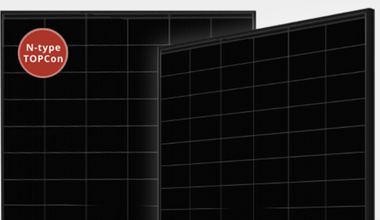
Canadian Solar is headquartered in Kitchener, Ontario, and was founded in 2001 by Dr. Shawn Qu. It’s publicly traded on the Nasdaq (CSIQ) and is one of the largest solar module suppliers in the world, having delivered more than 133 GW of panels globally as of 2024. Its current flagship residential line, the TOPHiKu6 series, uses N-type TOPCon cell technology and runs around 22.3% efficiency with a 25-year product warranty and 30-year performance warranty. Manufacturing is spread across several countries, including facilities in Canada, the U.S., and Asia — so “Canadian company” doesn’t automatically mean every panel was assembled here, but the corporate scale and warranty backing are real advantages for buyers who want a large, established name.
Silfab Solar
Efficiency: ~22.6%Warranty: 25-yr product / 30-yr performanceBest for: Made-in-Canada panels
Manufactured in Ontario
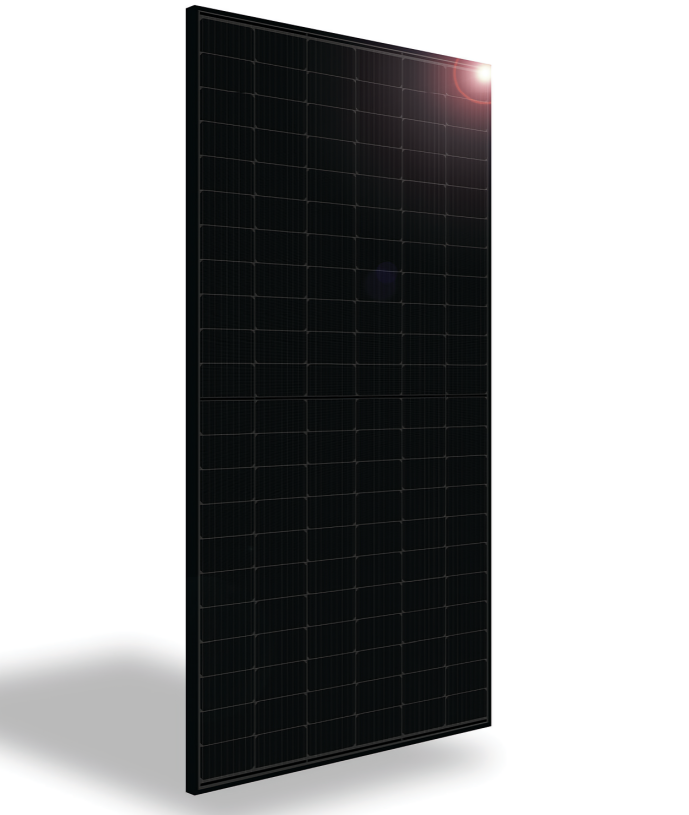
Silfab is one of the only panel brands sold in Canada that actually builds panels here — its plant is in Mississauga, Ontario, alongside two sister facilities in Washington State. For homeowners who specifically want to buy Canadian-made hardware (not just a Canadian-sounding brand), Silfab is the clearest option on this list. Its panels run around 22.6% efficiency with a 25-year product warranty and 30-year performance warranty, competitive with the top U.S. and European brands. Because it manufactures domestically, Silfab is also less exposed to cross-border tariff and shipping-cost swings than fully imported brands — worth asking your installer about if that matters to you.
REC Group
Efficiency: ~22.1%Warranty: 25-yr product / 25-yr performanceBest for: Small roofs, max output

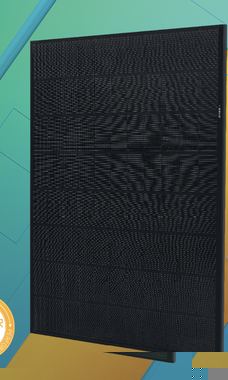
REC’s Alpha Pure series is consistently ranked among the highest-efficiency residential panels available anywhere, at roughly 22.1% efficiency with a 25-year product and 25-year performance warranty (guaranteeing 92% output at year 25). REC panels are widely quoted by Canadian installers as a premium option and are a common upgrade pick for homeowners with limited roof space who want to maximize output per panel.
Qcells
Efficiency: ~22.0%Warranty: 25-yr product / 25-yr performanceBest for: Battery-ready systems

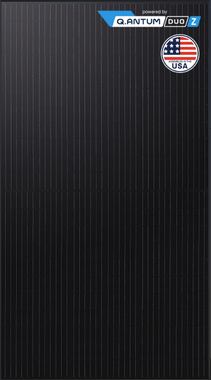
Qcells (formerly Hanwha Q CELLS) is part of Hanwha Group, a large multinational conglomerate — which matters for warranty confidence, since a 25-year warranty is only as good as the company that’s still around to honour it. Its Q.TRON series runs around 22.0% efficiency with a 25-year product and 25-year performance warranty (90.6% output guaranteed at year 25), and is notable for strong shade tolerance and compatibility with AC-coupled battery systems, which are increasingly common in Canadian installs paired with home battery storage.
LONGi, Trina Solar, and Jinko Solar
Efficiency: ~21—22.5%Warranty: Varies, typically 12—25-yr productBest for: Lowest cost per watt



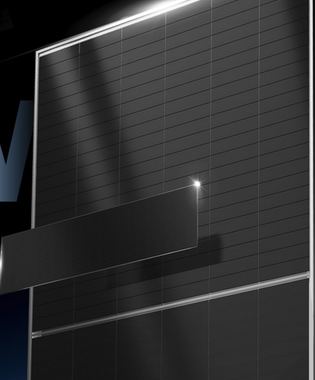
These three are among the highest-volume solar panel manufacturers on the planet, and their panels show up constantly on Canadian installer quotes because they’re competitively priced without being low-quality — most current models use monocrystalline PERC or TOPCon cells in the 21–22.5% efficiency range. Warranty terms vary more by specific model than with the brands above, so it’s worth checking the exact product warranty (not just the brand’s general reputation) on any quote that includes one of these panels. Because these manufacturers work through third-party distributors in Canada rather than a local office, your installer’s own workmanship warranty and local support matter more than with a directly-represented brand.
Does the brand matter more than the installer?
In most cases, no — the installer matters more. A mediocre panel installed correctly by a reputable, CSA-certified Canadian installer will outperform a premium panel installed poorly. Panel brand affects efficiency (how much power you get per square foot of roof) and the manufacturer’s warranty, but the installer determines system design, workmanship warranty, and who actually answers the phone if something goes wrong five years from now. Every panel sold for grid-tied residential use in Canada must meet CSA (or equivalent) certification regardless of brand, so the baseline safety and code compliance is already handled — the real differentiation between brands comes down to efficiency, price, and warranty backing. Compare vetted local installers on our solar companies directory.
How brand affects price
Panel brand is one input into your total quote, not the whole story — inverter choice, racking, roof complexity, and labour usually matter more. That said, premium brands like REC, Qcells, and Silfab typically sit toward the higher end of the $2.50–$3.50 per watt CAD range most Canadian homeowners see before incentives, while high-volume imports like LONGi, Trina, and Jinko tend to land toward the lower end. Before comparing quotes, check what provincial and federal solar rebates you qualify for — most programs care about system certification, not panel brand.
Best solar inverter brands in Canada
The inverter converts the DC power your panels produce into the AC power your home uses — and unlike panel brand, inverter brand has a real impact on system monitoring, shading tolerance, and how ready your system is for a future battery. Here are the three inverter brands Canadian installers quote most often.
| Brand | Architecture | Typical Warranty | Track Record | Best For | SolarGuide Score |
|---|---|---|---|---|---|
| Enphase | Microinverter | 25-yr (typical) | Category leader in microinverters | Shaded / complex roofs | 4.6/5 |
| SolarEdge | Power optimizer + inverter | 12-yr standard, extendable | Widely installed; battery & EV integration | Battery-ready installs | 4.4/5 |
| SMA | String inverter | Typically 5—10-yr standard, extendable | Decades-long German manufacturer | Simple, unshaded roofs | 4.0/5 |
Warranty lengths vary by model, region, and whether you purchase an extension — confirm exact terms with your installer. SolarGuide Score reflects architecture reliability, warranty strength, and how commonly each brand is quoted by Canadian installers.
Enphase
Best for shaded or complex roofs
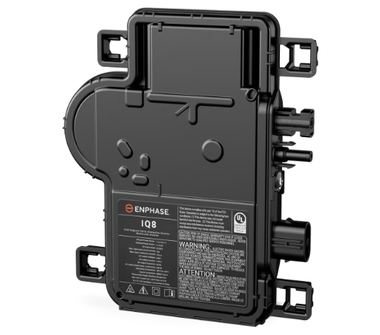
Enphase builds microinverters — a small inverter mounted behind each individual panel, instead of one large inverter for the whole array. That means a shaded or underperforming panel doesn’t drag down the output of the rest of the system, and Enphase’s per-panel monitoring lets you see exactly how each panel is performing from the app. The IQ8 series can also keep producing power during a grid outage in direct sunlight, without a battery attached — a feature most string inverters can’t match. Microinverters typically cost more upfront than a string inverter, but they’re the most common recommendation for roofs with any shading, multiple angles, or a complex layout.
SolarEdge
Best for battery-ready installs
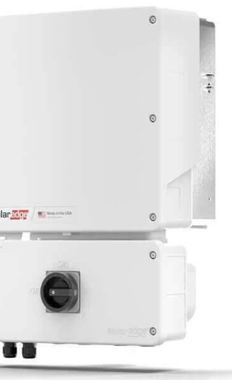
SolarEdge uses a hybrid approach: a power optimizer attached to each panel — giving similar shading and monitoring benefits to microinverters — paired with a single central inverter for the whole system. The Home Hub Inverter is SolarEdge’s current flagship for Canadian residential installs, built for battery compatibility, EV-charging integration, and backup power management in one unit. It’s frequently the installer’s default pick for homeowners who want battery-ready infrastructure now, even if they’re not installing a battery on day one.
SMA
Best for simple, unshaded roofs
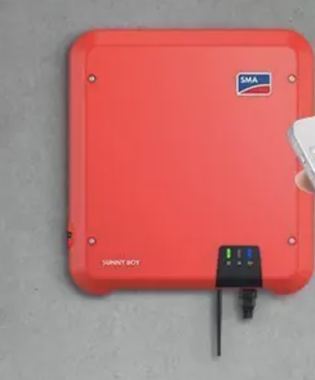
SMA is a German manufacturer with decades in the inverter business, best known in Canada for the Sunny Boy line of string inverters — a single central inverter serving the whole array, with no per-panel hardware on the roof. String inverters are simpler, have fewer components that can fail outdoors, and typically cost less than microinverter or power-optimizer systems, which is why SMA remains a common quote for straightforward, unshaded roofs where per-panel monitoring isn’t a priority.
Inverter choice should be driven by your specific roof, not just brand preference — ask your installer which architecture (microinverter, power optimizer, or string inverter) fits your shading situation and battery plans.
Need Help Choosing a Brand?
SolarGuide.ca connects you with trusted local installers who can recommend the best panel brand for your roof, budget, and energy goals.
Frequently asked questions
What is the best solar panel brand in Canada?
There isn’t one single best brand for every homeowner. REC and Qcells currently lead on efficiency and warranty terms among panels widely available in Canada, Silfab is the strongest option if you specifically want panels manufactured in Canada, and Canadian Solar offers global scale from a Canadian-headquartered company. The right choice depends more on your installer, roof space, and budget than on brand alone.
Are Silfab solar panels made in Canada?
Yes. Silfab manufactures panels at its plant in Mississauga, Ontario, in addition to two sister facilities in Washington State. It’s one of the only solar panel brands sold in Canada with actual Canadian manufacturing, rather than just a Canadian corporate address.
Is Canadian Solar actually a Canadian company?
Yes — Canadian Solar is headquartered in Kitchener, Ontario, and was founded in 2001. It’s one of the largest solar module suppliers in the world, though its manufacturing is spread across several countries including Canada, the U.S., and parts of Asia, not built exclusively in Canada.
Do solar panels lose efficiency in cold Canadian winters?
No — the opposite, in fact. Solar panels are slightly more efficient in cold temperatures than hot ones, since heat reduces a panel’s voltage output. The bigger winter factor in Canada is snow cover temporarily blocking panels, and shorter daylight hours reducing total generation — not the cold itself hurting panel performance.
Does solar panel brand affect my provincial rebate eligibility?
Generally no. Most Canadian provincial and federal solar incentive programs require CSA (or equivalent) certified equipment and a licensed installer, not a specific panel brand. Always confirm current program requirements before buying, since rules vary by province and change over time.
What’s the best solar inverter brand in Canada?
There isn’t one best inverter brand for every roof — it depends on your system’s architecture. Enphase microinverters are the most common pick for shaded or complex roofs, SolarEdge is popular for battery-ready installs, and SMA string inverters remain a cost-effective choice for simple, unshaded roofs. Ask your installer which architecture fits your home before comparing brands.
What’s the difference between a microinverter and a string inverter?
A string inverter is one central unit that converts DC power from your whole panel array into AC power for your home. Microinverters, like Enphase’s, are small inverters mounted behind each individual panel, so one shaded or underperforming panel doesn’t affect the output of the rest of the array. Microinverter systems typically cost more upfront but offer per-panel monitoring and better performance on complex or partially shaded roofs.
Related reading
- Solar panel cost in Canada (2026 pricing guide)
- Canadian solar rebates and incentives by province
- Home battery storage brands compared
- Find a vetted solar installer near you
- Canada solar potential map — see your city’s output
- Solar panel calculator: estimate your cost & savings